Saltar para o conteúdo

Notícias

Ideias, projetos e impacto em movimento.

Acompanhe as novidades do CIAC-PLDIS, os resultados dos projetos, iniciativas científicas e histórias da nossa comunidade.

Em destaque

CIAC-PLDIS IPSantarém divulga relatório nacional sobre Inteligência Artificial no Ensino Superior em Portugal

  O CIAC-PLDIS IPSantarém divulga o relatório “Inteligência artificial no ensino superior em Portugal: diagnóstico nacional para governação institucional”, editado pelo Conselho Nacional para a Inovação Pedagógica no Ensino Superior (CNIPES). A divulgação surge por solicitação da Coordenadora da Unidade de Ensino a Distância e Inovação nas Práticas Pedagógicas do IPSantarém (UEDIPP), Prof.ª Ana Loureiro, reforçando a importância de promover uma reflexão institucional informada sobre os desafios, oportunidades e responsabilidades associados à integração da Inteligência Artificial no Ensino Superior. O relatório resulta da articulação de trabalho analítico sobre Inteligência Artificial no Ensino Superior, integrando revisão de políticas e enquadramentos internacionais, síntese de evidência empírica recente, análise de tensões públicas e leitura de dados nacionais recolhidos junto das instituições de ensino superior portuguesas. Entre os seus principais contributos, o documento propõe cinco critérios mínimos de maturidade institucional: mediação humana, verificação, transparência, literacia afetiva e decisão baseada em evidências. Apresenta ainda os Três Pilares da integração da IA no Ensino Superior — Saber sobre IA, Fazer com IA e Ser sem IA — como quadro orientador para articular literacia, práticas pedagógicas e autorregulação. Para o CIAC-PLDIS IPSantarém, este relatório constitui um contributo relevante para apoiar a governação institucional, a inovação pedagógica e a promoção de práticas responsáveis, críticas e inclusivas no uso da Inteligência Artificial em contexto académico. O relatório encontra-se disponível em: http://hdl.handle.net/10400.26/63168

Ler notícia →

Arquivo

Últimas notícias

Conteúdos publicados diretamente pela equipa do CIAC-PLDIS e organizados automaticamente por data.

Intensive AI Research Lab – AIR África inaugurado em Moçambique

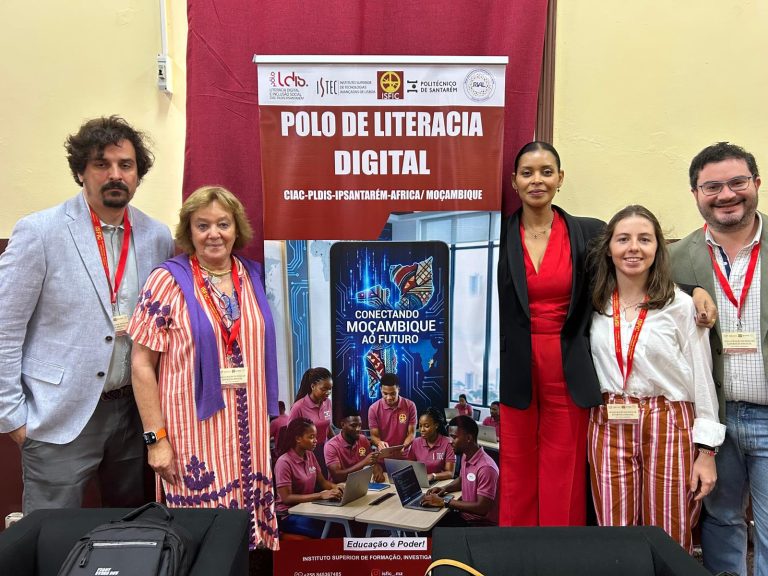
No dia 20 de maio, o CIAC-PLDIS IPSantarém inaugurou o Intensive AI Research Lab – AIR África, sediado no ISFIC – Instituto Superior de Formação, Investigação e Ciência, em Moçambique. Este novo laboratório reforça a estratégia internacional do CIAC-PLDIS na área da inteligência artificial, literacia digital, inclusão social e investigação aplicada, criando novas oportunidades de formação, e partilha de conhecimento entre Portugal e África. A iniciativa contou com o apoio do ISTEC, através da cedência de 21 computadores, da Associação RIAL, da Early Career Assunção Santos, responsável pelo desenvolvimento de um Escape Room na área da prevenção, e da TAP Corporate, que assegurou apoio logístico no transporte dos equipamentos. Com o Intensive AI Research Lab África passa a integrar a rede internacional do CIAC-PLDIS, beneficiando de webinars mensais, eventos científicos e iniciativas de disseminação de conhecimento promovidas pelo Polo.

Continuar a ler →
PLDIS destaca oportunidade de publicação científica internacional para a sua comunidade

O Polo de Literacia Digital e Inclusão Social (CIAC-PLDIS IPSantarém) informa todos os seus membros integrados e colaboradores sobre uma relevante oportunidade de publicação científica em revista indexada, promovida no âmbito do cluster de investigação. Esta iniciativa representa um passo estratégico para reforçar a visibilidade internacional da produção científica do Polo, incentivando a colaboração entre investigadores do CIAC-PLDIS e parceiros externos, nomeadamente internacionais. A participação em coautorias que integrem investigadores do Polo e membros de instituições estrangeiras é particularmente valorizada, alinhando-se com as atuais dinâmicas europeias de internacionalização da investigação. Para efeitos de organização e articulação científica, solicita-se aos membros que manifestem o seu interesse em submeter artigo até à próxima sexta-feira, indicando se a proposta inclui contributos internos ao cluster e/ou colaborações internacionais. Esta oportunidade constitui um momento-chave para consolidar redes de investigação, potenciar publicações conjuntas de elevado impacto e posicionar o CIAC-PLDIS como um hub ativo na produção científica internacional. 🔗 Mais informações e submissões disponíveis em:Revista Calitatea Vieții

Continuar a ler →

Coordenadora do CIAC-PLDIS distinguida pelo Jornal Correio do Ribatejo

A Professora Doutora Maria Potes Barbas, coordenadora do CIAC-PLDIS – Polo de Literacia Digital e Inclusão Social do Instituto Politécnico de Santarém, foi distinguida pelo Jornal Correio do Ribatejo, no âmbito das comemorações do seu 135.º aniversário. A distinção, atribuída pela empresa “Verdade das Palavras – Comunicação Social, Lda.”, reconhece publicamente o elevado mérito da investigadora, destacando a excelência do seu trabalho científico com reconhecimento internacional, bem como o seu contributo enquanto docente e líder de iniciativas de inovação no ensino superior. Este reconhecimento evidencia também o papel estratégico do CIAC-PLDIS enquanto espaço de produção científica, inovação e intervenção com impacto nas áreas da literacia digital, inclusão social e transformação educativa. A coordenação de projetos nacionais e internacionais, a dinamização de redes de colaboração e a promoção de práticas alinhadas com os desafios da transição digital têm sido centrais na afirmação do Polo. A distinção recebida reforça, assim, a visibilidade e o reconhecimento externo do trabalho desenvolvido no âmbito do CIAC-PLDIS, consolidando o seu posicionamento enquanto hub de referência na investigação aplicada e na construção de respostas inovadoras para a sociedade.

Continuar a ler →
CIAC-PLDIS destaca participação do IPSantarém em reflexão nacional sobre IA no Ensino Superior

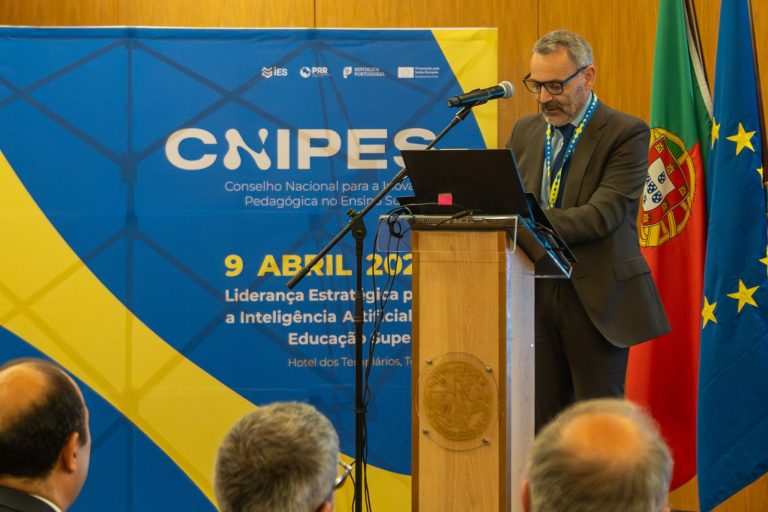
No passado dia 9 de abril de 2026, o Instituto Politécnico de Santarém marcou presença, em Tomar, numa sessão de trabalho promovida pelo Conselho Nacional para a Inovação Pedagógica no Ensino Superior (CNIPES), dedicada ao uso da Inteligência Artificial nas Instituições de Ensino Superior (IES). A participação foi assegurada pela Pró-Presidência para a Inovação (Maria Potes Barbas), reforçando o compromisso institucional com a transformação digital, a inovação pedagógica e a integração responsável da IA nos processos de ensino e aprendizagem. A sessão integrou os trabalhos do Grupo de Trabalho “Digital e IA na Educação”, criado no âmbito do Despacho n.º 10945/2025, reunindo representantes de várias IES para discutir desafios, oportunidades e caminhos estratégicos para a adoção da IA no contexto académico. Entre os temas abordados destacaram-se a governação institucional da IA, a ética e a integridade académica, a capacitação docente e a necessidade de modelos sustentáveis de implementação. Como resultado desta iniciativa, o CNIPES irá disponibilizar, em junho de 2026, um documento orientador dirigido a todas as instituições de ensino superior, intitulado “Inteligência Artificial no Ensino Superior em Portugal. Diagnóstico Nacional para a Governação Institucional. Da experimentação dispersa à governação baseada em evidências.” Este documento pretende apoiar as IES na transição para modelos estruturados e informados de integração da IA. Reconhecendo a relevância estratégica desta temática, a Pró-Presidência para a Inovação do IPSantarém irá dinamizar, no próximo mês de julho, uma sessão institucional dedicada à apresentação e discussão destes cenários de presente e de futuro, promovendo o alinhamento interno e o posicionamento do Instituto face às novas orientações nacionais.

Continuar a ler →
FCT publica novas Normas de Execução Financeira para o financiamento plurianual das Unidades de I&D (2025–2029)

Entraram em vigor as novas Normas de Execução Financeira aplicáveis ao financiamento plurianual das Unidades de Investigação e Desenvolvimento (I&D) para o período 2025-2029, definidas pela Fundação para a Ciência e a Tecnologia (FCT). Estas normas estabelecem as regras que orientam a gestão financeira, elegibilidade de despesas e procedimentos de reporte associados ao financiamento das unidades de investigação. O documento clarifica que o financiamento das Unidades de I&D passa a ser gerido de forma integrada, agregando financiamento base e financiamento programático, quando aplicável, com o objetivo de garantir maior eficiência na execução das atividades científicas e na utilização dos recursos públicos. Principais orientações Entre os aspetos mais relevantes definidos nas normas destacam-se: Elegibilidade de despesas diretamente associadas às atividades de investigação, incluindo recursos humanos dedicados a I&D, missões científicas, aquisição de bens e serviços, consultoria especializada e atividades de disseminação científica. Aquisição de equipamento científico e técnico, considerada elegível quando imprescindível à execução dos objetivos da unidade de investigação. Obrigatoriedade de documentação financeira rigorosa, com despesas suportadas por faturas válidas e comprovativos de pagamento. Cumprimento das regras de contratação pública, sempre que aplicável, no âmbito da aquisição de bens ou serviços. Gestão financeira e reporte As instituições beneficiárias devem manter contabilidade organizada e sistemas de registo específicos para todas as transações relacionadas com o financiamento, assegurando a rastreabilidade das despesas e a sua conformidade com as normas nacionais e europeias. Além disso, as unidades de I&D são obrigadas a submeter relatórios de progresso anuais e um relatório final, descrevendo os trabalhos realizados, resultados obtidos e eventuais desvios ao plano de atividades inicialmente aprovado. Transparência e impacto científico As normas reforçam também a importância da divulgação pública dos resultados científicos e do cumprimento das políticas de acesso aberto, contribuindo para aumentar o impacto social e científico da investigação financiada com recursos públicos. Estas orientações são fundamentais para garantir transparência, rigor financeiro e qualidade científica na execução dos financiamentos atribuídos às Unidades de I&D em Portugal, reforçando o papel da investigação no desenvolvimento científico, tecnológico e social.

Continuar a ler →
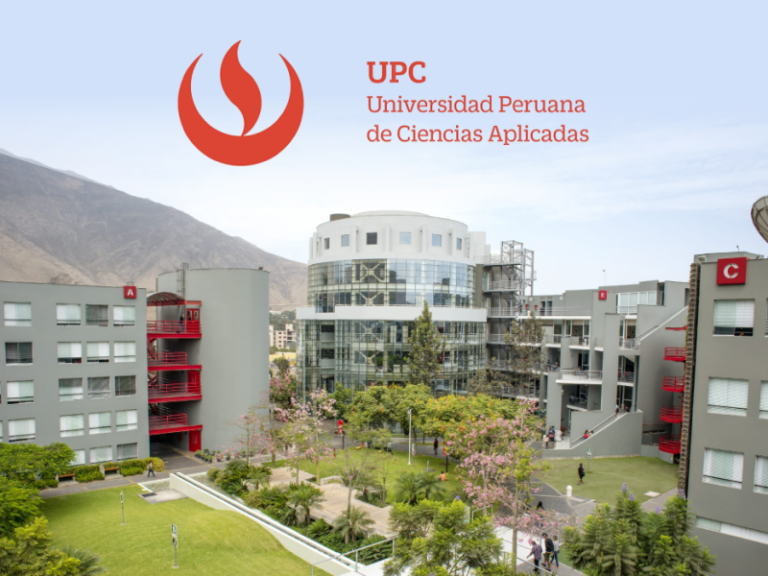
Maria Potes Barbas Selected for MetaRed TIC 2025 International Exchange at UPC, Peru Maria Potes Barbas, representing the Instituto Politécnico de Santarém, has been selected as one of the ten beneficiaries of the MetaRed TIC 2025 International Exchange Programme, following a highly competitive selection process that evaluated 41 eligible applications. The exchange will take place at the Universidad Peruana de Ciencias Aplicadas (UPC), in Peru, and aims to strengthen international cooperation, digital transformation strategies, and institutional leadership within the Ibero-American higher education ecosystem. According to MetaRed TIC’s Executive Coordination, the selection was based on several key factors, including the strategic relevance of the host institution, the motivation expressed in the application, the active participation of the Polytechnic Institute of Santarém within the MetaRed TIC network, and the professional role and leadership of Maria Potes Barbas in the field of digital innovation. The programme also values internationalisation, diversity, and the creation of long-term institutional impact. This recognition reinforces the international positioning of the Polytechnic Institute of Santarém and highlights its commitment to digital transformation, innovation, and collaborative networks across Europe and Latin America. Maria Potes Barbas’s participation is expected to generate strategic value for both institutions and contribute meaningfully to the development of ICT-driven transformation in higher education. 📽️ https://youtu.be/sPI__LtEUn8

Continuar a ler →

GREAT NEWS… 

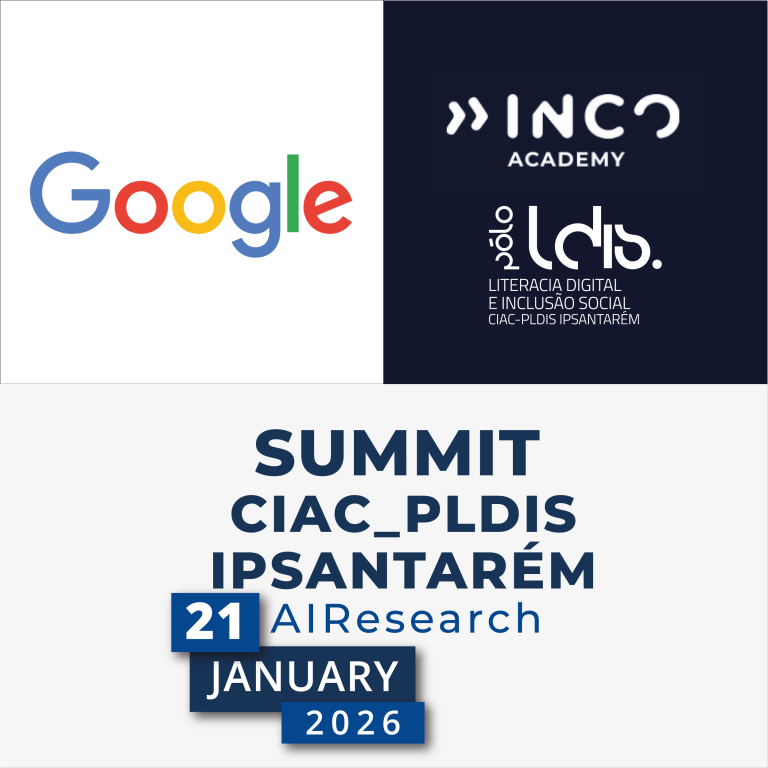
Google is investing one million dollars to train 7000 Portuguese university students in artificial intelligence.  The Research Hub CIAC_PLDIS_IPsantarem signed a MoU with INCO Academy to collaborate on four-weeks online  training modules creating a Cross-disciplinary AI literacy for final year STUDENTS. During CIAC-PLDIS_IPSantarem AIResearch Summit Event on January 21, 2026 we are going to lunch “AI-powered coaching and employability guidance”  Be prepared!

Continuar a ler →
INCO Academy and IPSantarém sign Memorandum of Understanding to promote AI literacy

On October 1, 2025, INCO Academy, part of the INCO Group, and the Pólo de Literacia Digital e Inclusão Social (PLDIS) of the Polytechnic Institute of Santarém (IPSantarém), signed a Memorandum of Understanding (MoU) to establish collaboration for the implementation of the NewFutures: AI program. The agreement formalizes IPSantarém as a university partner in this international initiative, which aims to equip students in their final year of study with core generative AI literacy and practical, track-specific skills to support their future careers. The NewFutures: AI program, scheduled to launch in the first quarter of 2026, will be delivered online through INCO Academy’s digital platform. The training consists of approximately 40 hours over four weeks, including a foundational module on AI literacy and additional modules in areas such as Marketing and Communications, Finance and Accounting, Business Operations and Logistics, ICT and Technical Support, and Administration. Under the agreement, INCO Academy will provide the online curriculum, platform, and communication materials, while IPSantarém will promote the program among students and support their engagement and participation. Both institutions also agreed to explore further forms of collaboration, including the creation of an AI community of practice within the university and the organization of live sessions for students.

Continuar a ler →
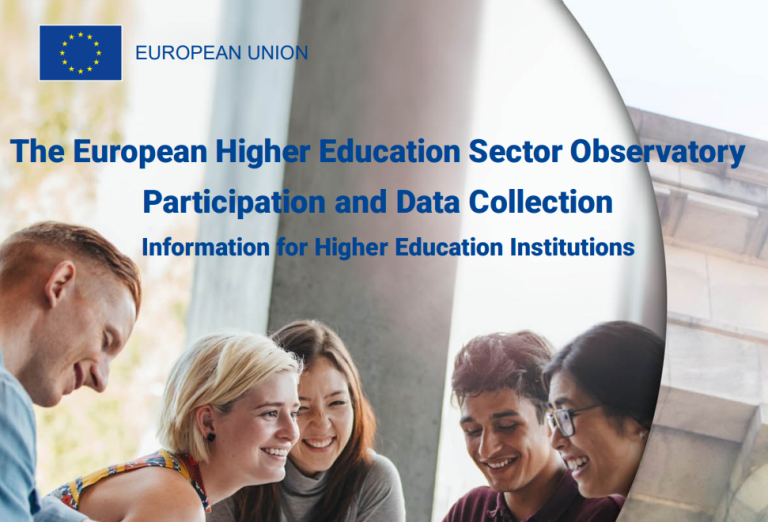
The Digital Literacy and Social Inclusion Hub of IPSantarém joins the European Higher Education Sector Observatory (EHESO)

The Digital Literacy and Social Inclusion Hub (PLDIS) of the Polytechnic Institute of Santarém has joined the European Higher Education Sector Observatory (EHESO) — an initiative of the European Union that aims to enhance transparency, quality, and cooperation among higher education institutions across Europe. The EHESO brings together data from platforms such as ETER, U-Multirank, and Eurydice, enabling institutions to compare performance indicators, share best practices, and support the development of evidence-based policies. By joining this initiative, the PLDIS becomes part of a European network that promotes excellence, internationalisation, and innovation in higher education, contributing to a more integrated and collaborative vision of the European educational landscape. 👉 More information available at: https://eter-project.com/EHESO_Data_collection

Continuar a ler →

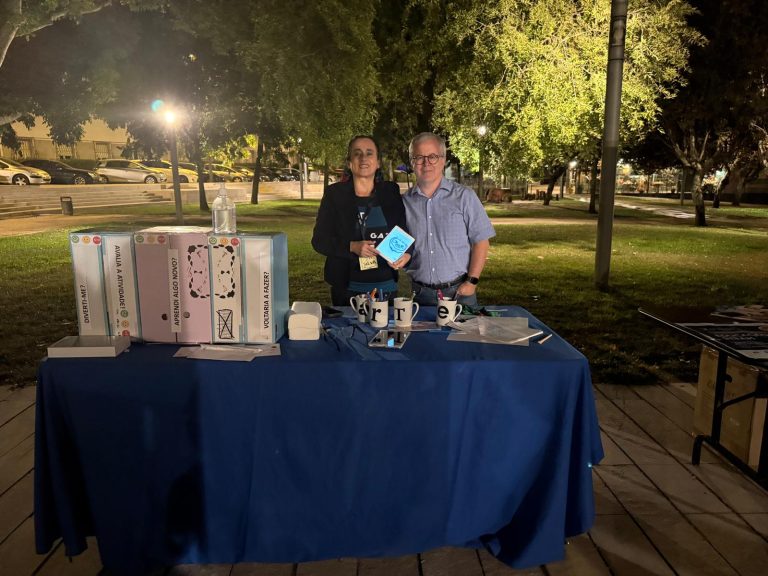
Sucesso na estreia de Santarém na Noite Ibero-americana de Investigadores 2025

O Jardim da República, em Santarém, encheu-se de curiosidade científica na noite de 26 de setembro, quando o IPSantarém participou, pela primeira vez, na Noite Ibero-americana de Investigadores – uma iniciativa da Organização de Estados Ibero-americanos (OEI) que aproxima a ciência de toda a comunidade e se articula com a Noite Europeia dos Investigadores. Estúdio IA: Desenha & Descobre O Polo de Literacia Digital e Inclusão Social marcou presença com a atividade “ESTÚDIO IA: DESENHA & DESCUBRE – Literacia de IA em 3 minutos”, pensada para crianças dos 6 aos 12 anos e respetivas famílias.Durante toda a noite, dezenas de participantes fizeram um desenho em apenas 20 segundos num tablet. De imediato, um sistema de inteligência artificial tentava adivinhar o que tinha sido desenhado e exibia o resultado num ecrã.Seguiu-se uma breve conversa para explicar como a IA aprende a partir de milhares de exemplos e porque é que, por vezes, acerta e outras falha.A atividade foi rápida, divertida e segura, não recolhendo qualquer dado pessoal, e despertou a curiosidade de miúdos e graúdos para os mecanismos de aprendizagem das máquinas. A dinamização contou com a participação dos membros integrados Ana da Silva e Filipe Madeira, que conduziram as experiências e responderam a perguntas de crianças e adultos sobre inteligência artificial e o seu impacto no dia a dia.

Continuar a ler →
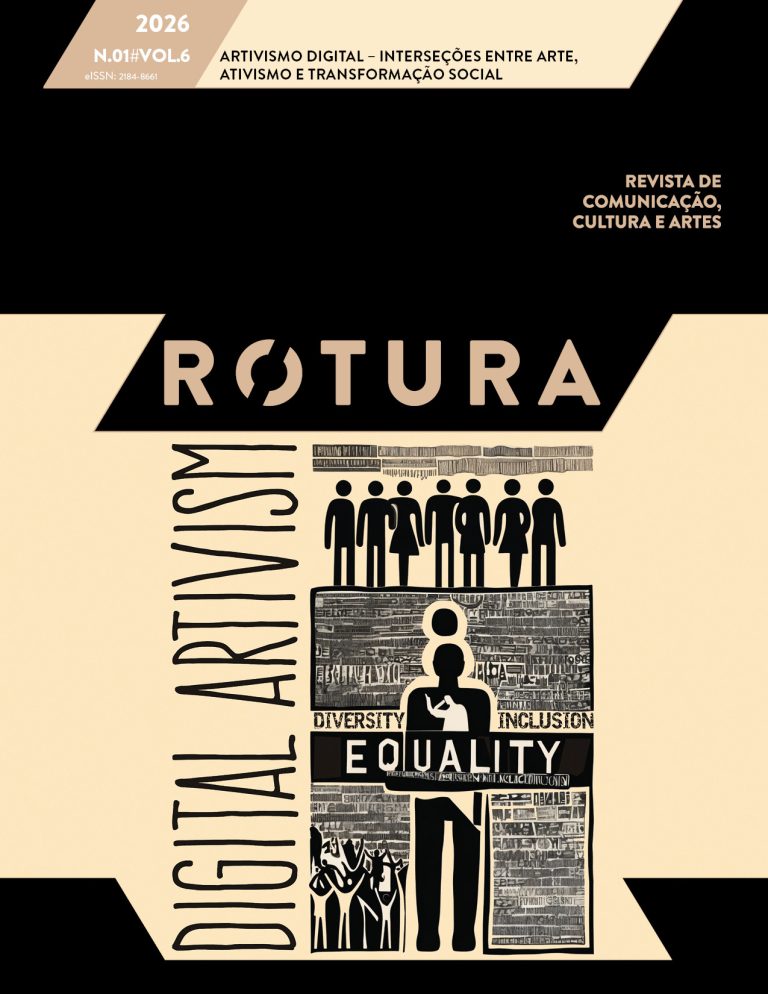
Chamada de Trabalhos – Revista ROTURA – Artivismo Digital – Interseções entre Arte, Ativismo e Transformação Social

O período de submissão de artigos para o próximo número da Rotura – Revista de Comunicação, Cultura e Artes do CIAC, sob o tema “Artivismo Digital – Interseções entre Arte, Ativismo e Transformação Social”, decorre até ao dia 30 de setembro de 2025. Nesta edição, propõe-se refletir sobre o papel do Artivismo Digital como modo de resistência criativa, na interseção entre inovação artística e intervenção política. A proposta editorial destaca que “numa era definida pela saturação digital, conetividade ubíqua, controlo algorítmico e fluxos de informação globais, o Artivismo Digital emergiu como um poderoso modo de resistência criativa. (…) O que une estas formas variadas é a sua capacidade de provocar uma reflexão crítica ao mesmo tempo que envolve os públicos através da cultura visual, da literacia digital e da participação em rede”. São bem-vindas contribuições que abordem as dimensões teóricas, históricas, metodológicas e práticas do Artivismo Digital, especialmente aquelas que explorem o seu potencial transformador nas sociedades atuais saturadas de media. Aceitam-se diversos formatos de materiais não publicados anteriormente, incluindo artigos de investigação, reflexões baseadas na prática, estudos de caso e análises interdisciplinares. Os temas sugeridos incluem: Histórias e genealogias do artivismo digital Quadros teóricos e conceptuais (remix, hacktivismo, media táticos etc.) Pedagogias críticas e práticas de arte digital inclusivas Artivismo digital e co-construção da comunidade Relações entre artivismo digital e os Objetivos de Desenvolvimento Sustentável Metodologias de prática e participação Distinções entre arte política e arte ativista A edição deste número estará a cargo de Isabel Cristina Carvalho (CIAC, Universidade Aberta), Marc Garrett (Furtherfield, Ravensbourne College of Design and Communication) e Pedro Alves da Veiga (CIAC, Universidade Aberta). Datas Importantes: Data limite para envio de artigos: 30-09-2025 Notificação de aceitação: 15-11-2025 Envio da versão final: 31-12-2025 Publicação: 01-02-2026 A chamada para a secção Varia, que acolhe artigos com temas livres, bem como Crónicas de Arte e Entrevistas, permanece aberta em fluxo contínuo. Mais informações (aqui).

Continuar a ler →
PLDIS divulga XI Congresso Internacional sobre Culturas – “Lugares de Culturas”

A Associação Internacional de Pesquisadores das Culturas (InterCult), em parceria com a Universidade do Porto, promove o XI Congresso Internacional sobre Culturas, que terá lugar entre os dias 24 e 27 de novembro de 2025, na Universidade do Porto, em Portugal. Sob o tema “Lugares de Culturas”, este congresso propõe uma reflexão crítica e interdisciplinar sobre os múltiplos espaços — formais e informais — onde a cultura se manifesta na sociedade contemporânea. O evento convida a comunidade académica e profissional, nomeadamente investigadoras e investigadores das áreas das artes, culturas, património, filosofia, ciências sociais e humanas, literatura e áreas afins, a submeter propostas de comunicação que analisem, explorem ou problematizem práticas, políticas e saberes culturais nas suas diversas expressões. O congresso apresenta-se como uma oportunidade privilegiada para reforçar o papel da cultura enquanto motor de cidadania, diálogo e transformação social. Formato do evento 24 a 26 de novembro: sessões presenciais na Universidade do Porto (incluindo Grupos de Trabalho e sessões especiais), com transmissão dos painéis no canal de YouTube da InterCult. 27 de novembro: dia reservado a apresentações online e reuniões presenciais de avaliação dos Grupos de Trabalho, bem como à realização da Assembleia Geral da InterCult. Submissão de propostas As propostas de comunicação, sob a forma de resumo, devem ser submetidas até 30 de julho de 2025, através do site oficial do congresso:👉 culturas.cc/congresso2025 Sobre a InterCult A InterCult é uma rede internacional que reúne investigadores de vinte e quatro universidades de países de língua portuguesa, promovendo o intercâmbio de saberes, experiências e debates sobre culturas nos contextos lusófonos.Mais informações: 👉 culturas.cc

Continuar a ler →
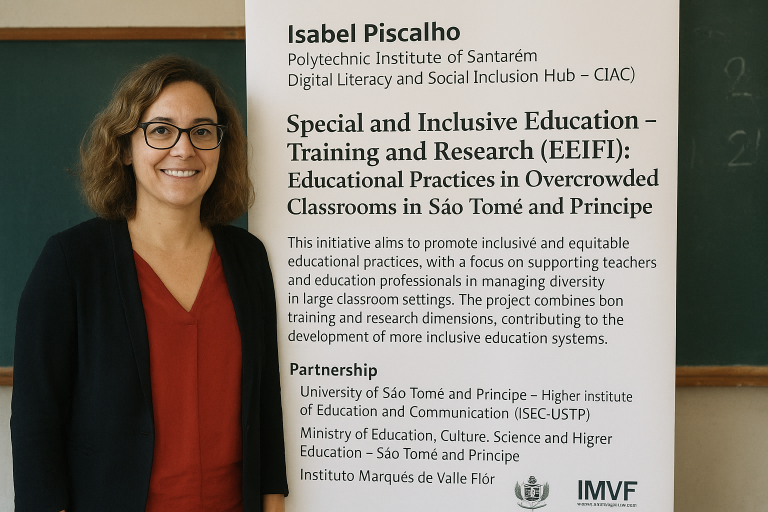
Special and Inclusive Education Project in São Tomé and Príncipe

Within the scope of her Postdoctoral research, Isabel Piscalho (Polytechnic Institute of Santarém, Digital Literacy and Social Inclusion Hub – CIAC) is currently developing the project “Special and Inclusive Education – Training and Research (EEIFI): Educational Practices in Overcrowded Classrooms in São Tomé and Príncipe.” This initiative aims to promote inclusive and equitable educational practices, with a focus on supporting teachers and education professionals in managing diversity in large classroom settings. The project combines both training and research dimensions, contributing to the development of more inclusive education systems. The project is being carried out in close collaboration with local partner institutions in São Tomé and Príncipe: University of São Tomé and Príncipe – Higher Institute of Education and Communication (ISEC-USTP) Ministry of Education, Culture, Science and Higher Education – São Tomé and Príncipe Instituto Marquês de Valle Flôr This partnership reflects a joint commitment to strengthening the quality of education and fostering inclusive educational environments across the country.

Continuar a ler →
Successful Completion of the FOREU4ALL Initiatives and Accelerate GenAI Conference: A Step Toward the Future of Digital Higher Education

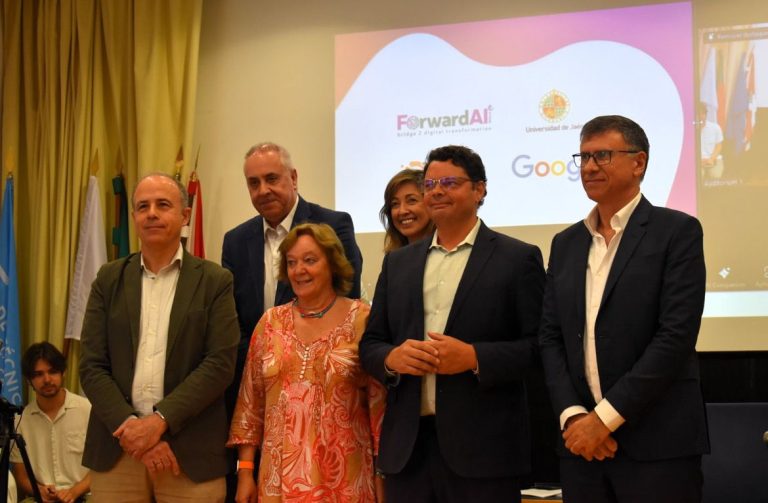
The FOREU4ALL Initiatives and Accelerate GenAI Conference, held on May 26th, 2025, at Santarém Polytechnic University, gathered more than 100 participants in a hybrid format—both in person and online—to discuss the transformative role of Generative Artificial Intelligence in higher education across Europe. Over 20 distinguished speakers from various universities, research centers, technology companies, and international organizations delivered insightful talks and hands-on workshops across five thematic panels. Topics covered included the ethical use of AI, innovative teaching methodologies, European university alliances, the future of the European Degree Label, and the evolution of AI-based learning tools. Participants praised the practical AI skill sessions, especially those focused on instructional design, ethical governance, and the integration of cutting-edge tools like ChatGPT, Gemini, and Google’s NotebookLM. The event also highlighted the contributions of students and young researchers, showcasing their innovative projects and perspectives on the future of education. The overall feedback was highly positive, with attendees describing the conference as “informative,” “forward-thinking,” and “practically useful.” The demand for future editions of this conference was clear, as many participants expressed a strong interest in more hands-on workshops and deeper exploration of AI’s role in education and research. A comprehensive Conference Handbook, summarizing key discussions, presentations, and outcomes, has been published and is now available for consultation:  https://doi.org/10.5281/zenodo.15646939 We look forward to organizing future editions of this conference, continuing the dialogue on the ethical, innovative, and practical uses of AI in education, research, and social inclusion.

Continuar a ler →
EPALE

Welcome to EPALE! Thank you very much for taking the time to register on EPALE. Your account has been activated and you can now connect with and learn from adult learning professionals throughout Europe. What can I do on EPALE? Now that you are a member of the EPALE community you have access to a huge range of content and features on the platform. EPALE members can: • Keep up to date with the latest news, events and activities. • Be inspired by blogs, stories and insights from the community. • Access free online training for professional development. • Get good practice resources to help improve your training. • Promote your content and share your opinions on key issues.. • Find partners and opportunities for Erasmus+ projects. The EPALE Community is waiting for you, so why not login and get started! We look forward to meeting you on the platform very soon.

Continuar a ler →
Marie Skłodowska-Curie Actions (MSCA) Doctoral Networks 2025 Call

Dear Researchers, We hereby inform you that the Foundation for Science and Technology (FCT) will organize an information session dedicated to the Marie Skłodowska-Curie Actions (MSCA) Doctoral Networks 2025 Call, which will remain open until November 25, 2025. This Horizon Europe instrument aims to fund consortia of institutions for the creation of international doctoral programmes. The session will be held exclusively online, on June 23, starting at 10:00 AM, with an expected duration of one hour. Mandatory registration at:https://videoconf-colibri.zoom.us/meeting/register/S6EphVN6R5i_2S3GHrEkxw More information at:https://www.fct.pt/fct-organiza-sessao-informativa-sobre-o-concurso-msca-doctoral-networks-2025/ MSCA Doctoral Networks 2025 Call The MSCA Doctoral Networks implement doctoral programmes through partnerships between universities, research institutions and infrastructures, companies — including SMEs — and other socio-economic actors from different European and non-European countries. The MSCA Doctoral Networks are indeed open to the participation of organisations from third countries, with the aim of fostering strategic international partnerships for researcher training and study. These doctoral programmes respond to well-identified needs in various R&I fields, exposing researchers to both academic and non-academic sectors and providing training in both research-related and transferable skills relevant to long-term innovation and employability (e.g., entrepreneurship, results exploitation, intellectual property rights, communication). Proposals for Doctoral Networks may reflect existing or planned research partnerships among participating organisations. Indicative Timeline May 28, 2025: Call opening November 25, 2025: Proposal submission deadline April 2026: Notification of call results to applicants (to be confirmed) July 2026: Grant agreement signature for successful projects (to be confirmed) August 2026: Start of the first EU-funded projects (to be confirmed)

Continuar a ler →
SciPROJ Portal: The new FCT service for researching Scientific Funding in Portugal.

The Foundation for Science and Technology (FCT), through its digital services unit FCCN, has launched the SciPROJ Portal, a resource integrated into the PTCRIS program that brings together all information on scientific funding in one place, with quick and flexible access. SciPROJ is a registry that compiles detailed information on both national and international funding supporting science and technology activities carried out in Portugal. Through the SciPROJ Portal, researchers, institutions, and the general public can obtain a unified and comprehensive view of science and technology funding in Portugal, including data such as funding amounts, researchers, and involved institutions. In addition, the SciPROJ API provides programmatic access to SciPROJ data, enabling access to a wide range of detailed information on funding, projects, researchers, and organizations. By aggregating data from multiple sources on science and technology, these platforms offer a broad view of the investments made and the key actors involved, fostering transparency and collaboration within the national scientific ecosystem. With automatic updates and continuous data enrichment, the information is normalized and integrated, ensuring consistency and reliability for in-depth analysis and monitoring of scientific funding in Portugal. To date, the Portal already includes over 108,000 records, with information from five funding agencies and 19 different types of funding instruments. This is a PTCRIS service co-financed by the National Recovery and Resilience Plan (PRR). All information is available on the SciPROJ Portal.

Continuar a ler →

ARTECH 2025 – 12th International Conference on Digital and Interactive Art

ARTECH 2025 – 12th International Conference on Digital and Interactive Art, which this year is themed “Culture, Communities, and Territories of Media Art”. It is organized by our colleagues from the University of Minho, through CECS – the Communication and Society Research Centre, and the School of Architecture, Art and Design. ARTECH 2025 will take place on the Gualtar campus in Braga, from November 26–28, 2025. This international conference, held biennially in both Portuguese and English, is an event of CIAC, with which it has been associated since the 2012 edition. Since 2017, its proceedings have been indexed in the ACM/Scopus databases. You can find more information on the official website:https://2025.artech-international.org/

Continuar a ler →

International Conference: FOREU4ALL Initiatives and Accelerate GenAI takes place on May 26 in Santarém

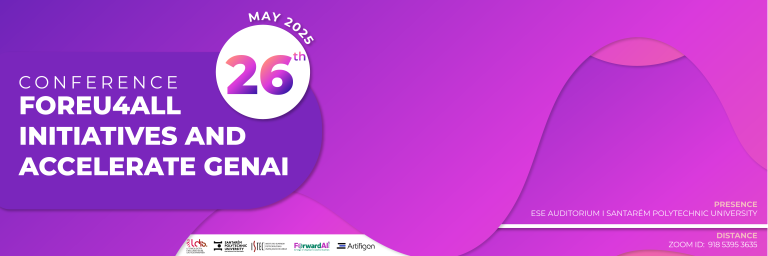
On May 26th, 2025, the FOREU4ALL INITIATIVES AND ACCELERATE GENAI conference will be held at Auditorium I of the School of Education, Polytechnic Institute of Santarém, with both on-site and remote participation (via Zoom). This event is part of the ACE2EU FOREU4ALL initiatives and is supported by strategic European alliances (Colours, NEOLAiA), the international METARED network, the Portuguese Foundation for Science and Technology, CIAC-PLDIS, and AI and Ethics experts. With over 20 speakers from across Europe, the program includes thematic panels, hands-on AI workshops, protocol signings, and networking opportunities. Each speaker will present in their native language, reflecting Europe’s rich cultural and linguistic diversity. This conference is a milestone in promoting European cooperation in digital literacy, educational innovation, and the ethical integration of AI into academic institutions.    Registration: https://www.forms.gle/5rxJ5LRSFd8AsNiA6  Zoom ID: 918 5395 3635

Continuar a ler →
Digital Literacy and Social Inclusion Hub receives “Very Good” rating from FCT

On April 15th, the Digital Literacy and Social Inclusion Hub of the Polytechnic Institute of Santarém proudly received the news of its “Very Good” rating from the Portuguese Foundation for Science and Technology (FCT). This recognition highlights the quality of the work carried out in promoting digital literacy, social inclusion, and scientific innovation, reinforcing the Hub’s commitment to excellence in research and social impact. More information

Continuar a ler →

Union of Skills

Investing in people for a competitive European Union The European Union needs skilled people to respond to new challenges and stay competitive. But as job requirements change, many workers struggle to keep up and businesses cannot find the right talent. These skills and labour gaps are hindering European competitiveness. That is why the European Commission is introducing the Union of Skills, a plan to improve high quality education, training, and lifelong learning. It aims to deliver higher levels of basic and advanced skills provide opportunities for people to regularly update and learn new skills facilitate recruitment by businesses across the EU attract, develop and retain top talent in Europe   The Union of Skills will empower people across the EU with the skills they need to succeed in their educational and professional lives. It will also make it easier to use these skills in different EU countries. By addressing gender imbalances and helping European businesses find the workers they need, it aims to make the EU more competitive and inclusive. Improving education and skills will also ensure that Europe’s social model remains affordable, thanks to its competitive economy. More information

Continuar a ler →

CIAC-PLDIS-IPSantarém is present in several European Platforms. Have a look:

Heinnovate Platform  HEInnovate is a self-reflection tool for Higher Education Institutions who wish to explore their innovative potential. It guides you through a process of identification, prioritisation and action planning in eight key areas. The self-assessment is available in all EU languages. EURAXESS – researchers in motion The leading portal for the research community Whether you’re seeking advice on career development, looking for tools to enhance your skills, or need concrete assistance with relocating for your next big opportunity, EURAXESS can help. No matter what stage of your research path or scientific business you are at, EURAXESS is a comprehensive career and innovation hub for information and assistance. Find jobs, hosting and funding opportunities, as well as support and guidance. Open Research Europe Open Research Europe is an open access publishing venue for European Commission-funded researchers across all disciplines, with no author fees. Accelerate the impact of your research with rapid publication, open peer review, and indexing in databases such as Scopus and PubMed. EHESO The European Higher Education Sector Observatory (EHESO) is a user-centred data and information platform on the higher education sector in Europe. The Observatory enables the comparison, analysis, and showcasing of the sector’s performance across multiple levels, actors, and themes.

Continuar a ler →

Université Paris Cité Opens Applications for 2026 Visiting Researchers Program

Université Paris Cité is excited to announce that the application period for its 2026 Visiting Researchers Program is now officially open! This initiative seeks to enhance international partnerships by welcoming researchers from foreign institutions to engage in collaborative projects with UPCité faculty members. Program Highlights Objective: Strengthen research collaborations between Université Paris Cité and international institutions through joint projects. Duration: Up to 15 days (extendable to 45 days with co-funding). Timeline: Research stays can take place between January and July or between September and December of 2026. Funding: Université Paris Cité will cover travel expenses and provide a daily allowance (per diem) for living costs. How to Apply Interested researchers from international institutions must establish contact with a faculty member from Université Paris Cité’s Faculty of Humanities and Social Sciences. Together, they can develop a joint project, which must be submitted by a UPCité faculty member by March 9, 2026, at 4 PM (Paris time). The official call for projects and the application form are available for download on the university’s website. For further information or assistance in connecting with faculty members, please contact internationalization.sh@u-paris.fr.

Continuar a ler →

Interreg Next MED Hosts Info Day and Opens 2nd Call for Green Transition Projects

Lisbon, Portugal – The Interreg Next MED cooperation program is set to host a National Info Day as part of the #GREENMED TOUR on February 20, from 9:30 AM to 5:30 PM. The event will take place at the Biblioteca dos Fundos of the Agency for Development and Cohesion (Lisbon) and will focus on the newly launched Call for Projects dedicated to the Green Transition. This initiative aims to support a more sustainable and climate-resilient Mediterranean region. 2nd Call for Projects Now Open The 2nd Call for Projects is officially open for applications until April 15, 2025, at 12:00 PM (Continental Portugal time). A wide range of entities are eligible to apply, including: Local, regional, and national public authorities Universities and research centers Civil society organizations Small and medium-sized enterprises (SMEs) with innovative solutions in the green economy sector This initiative presents a valuable opportunity for stakeholders committed to driving sustainable solutions and fostering international cooperation in the Mediterranean region. For more information on the event and the application process, visit the official Interreg Next MED website.

Continuar a ler →

FCT Announces New Open Access Policy for Scientific Publication

The Foundation for Science and Technology (FCT) has launched a new Open Access Policy for scientific publications resulting from FCT-funded research, significantly updating the mechanisms in place since 2014. Effective for funding applications submitted after February 7, 2025, this policy applies to scientific articles, books, book chapters, monographs, doctoral theses, and master’s dissertations. It reinforces the principle that publicly funded research should yield publicly accessible and reusable results, enhancing scientific collaboration, visibility, and progress. Researchers can access detailed guidelines, rights retention strategies, and FAQs online. Additionally, a dedicated support website has been created to assist them throughout the open-access publication process. The policy defines different open-access publishing routes: Gold Route: Immediate open access via journals, books, or publishing platforms. Green Route: Open access through the RCAAP repository network after publication in closed-access formats. Transformative Route: Open access publishing in hybrid journals under transformative agreements. For FCT-funded doctoral theses or master’s dissertations, publication requirements vary based on the awarding institution. Portuguese institutions must deposit theses in an RCAAP repository within 60 days of degree conferral, while authors from foreign institutions are responsible for self-depositing within the same timeframe. A key aspect of this policy is the elimination of embargo periods and mandatory rights retention, ensuring that at least the accepted manuscript version is available in open access. This revision builds on a decade of experience, aligns with global developments in open-access policies from UNESCO and the EU, and reflects FCT’s commitment to the Plan S initiative led by cOAlition S and supported by Science Europe. more information

Continuar a ler →

New European Innovation Agenda: A New Wave of Technology and Social Progress

The European Commission has presented the “New European Innovation Agenda”, an ambitious initiative aimed at positioning Europe as a global leader in the next wave of technological innovation. This plan seeks to drive growth and the development of disruptive technologies while addressing crucial social and environmental challenges. The new agenda places a strong emphasis on deep tech innovation, which is essential for finding advanced solutions in the following areas: Reducing greenhouse gas emissions, contributing to the fight against climate change; Promoting sustainable and competitive economies; Advancing European technological sovereignty and enhancing food security; Improving connectivity and social impact, ensuring inclusive innovation across all European regions. Key measures include: Training 1 million professionals in advanced technologies, with a special focus on including women and diversifying the workforce; Creating “regional innovation vouchers” to integrate local players into European innovation ecosystems; Simplifying access to funding for startups and scale-ups through new venture capital mechanisms and reduced bureaucracy. The New European Innovation Agenda also highlights the importance of fostering collaboration between the public and private sectors, encouraging an innovative mindset that inspires the rest of the world. This initiative not only aims to transform Europe into a technological powerhouse but also to ensure that technological progress brings tangible benefits to society, creating solutions that improve citizens’ lives and strengthen the EU’s economic and environmental resilience. More information at: New European Innovation Agenda

Continuar a ler →

Demola Global Workshop: Competence and Culture for Innovation and Future Society

On October 29, the Demola Global Workshop, titled “Competence and Culture for Innovation and Future Society”, was held at ISPOT, IPSantarém. The event featured Ville Kairamo as a speaker and brought together professors, researchers, and entrepreneurs to discuss innovation and the future of society. The workshop was organized by the coordinators of the Digital Literacy and Social Inclusion Hub, Maria Potes Barbas and Filipe Madeira. Recording here

Continuar a ler →

Portugal-Germany Bilateral Cooperation 2023: international researcher mobility projects

Program: Foundation for Science and Technology The scientific and technological cooperation agreement between Portugal and Germany, established in 1990, provides for the two countries to establish a program to promote cooperation between professors and researchers, including young researchers in higher education establishments and related research institutions in Portugal and Germany. One of the objectives is to encourage the exchange of researchers by supporting their mobility within the framework of international projects. The projects will have a maximum duration of 24 months and will be renewable annually under the terms of Articles 13 and 14 of the regulation. The annual FCT funding per project is 2,000 euros.

Continuar a ler →

João Monjardino Prize 2023 – Mental Health: Clinical and Services Research

Program: Foundation for Science and Technology The Prize aims to distinguish the best article published under the theme “Mental Health: Clinical and Services Research”, which describes the results of research carried out by a researcher at an institution in the national scientific and technological system. Under the Protocol signed between the Foundation for Science and Technology, I.P. and the Professor Francisco Pulido Valente Foundation, the João Monjardino Prize 2023 is open to applications.

Continuar a ler →

Multiannual Program for Financing R&D Units 2023/2024

The external evaluation of R&D units aims to develop and enhance the National Science and Technology System (SNCT) in all areas of knowledge and to strengthen and densify it across the country. R&D units are made up of human resources, equipment and technical infrastructures dedicated to R&D, training and scientific and technological dissemination, bringing together critical mass and providing working environments conducive to scientific creativity, promoting talent and developing skills and attractive scientific careers.

Continuar a ler →

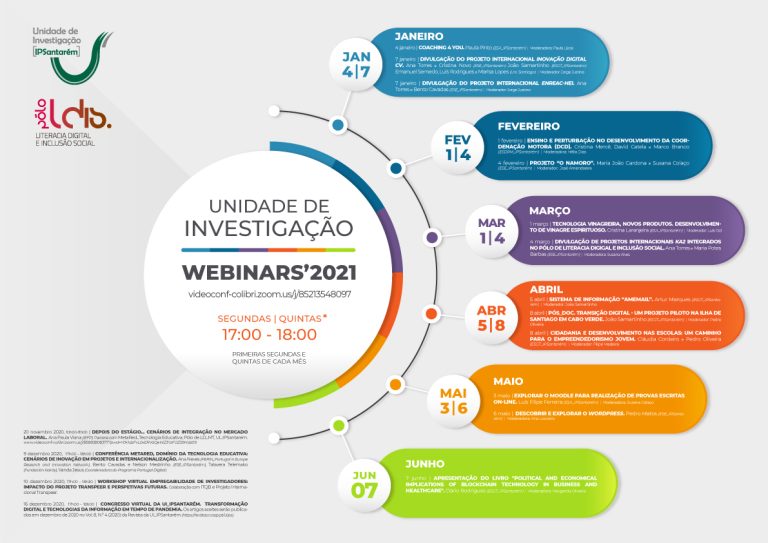
Webinars 2021

The UI_IPS Webinars’2021 start on January 4th. Every first Monday and Thursday of the month from 5pm to 6pm, the Research Unit has prepared a wonderful agenda for readers.

Continuar a ler →

Serving research communities – extending the Open Call collection deadline

The 2020 collection date for the European Cooperation in Science and Technology (COST) Open Call will be extended by two weeks, with the new deadline for proposals for COST actions becoming Friday, November 13, instead of Friday, October 29. This decision was taken in recognition of the many challenges faced by potential applicants throughout the year due to the COVID-19 pandemic. This open call marks the last occasion under Horizon 2020 for potential COST action networks to apply for funding.

Continuar a ler →

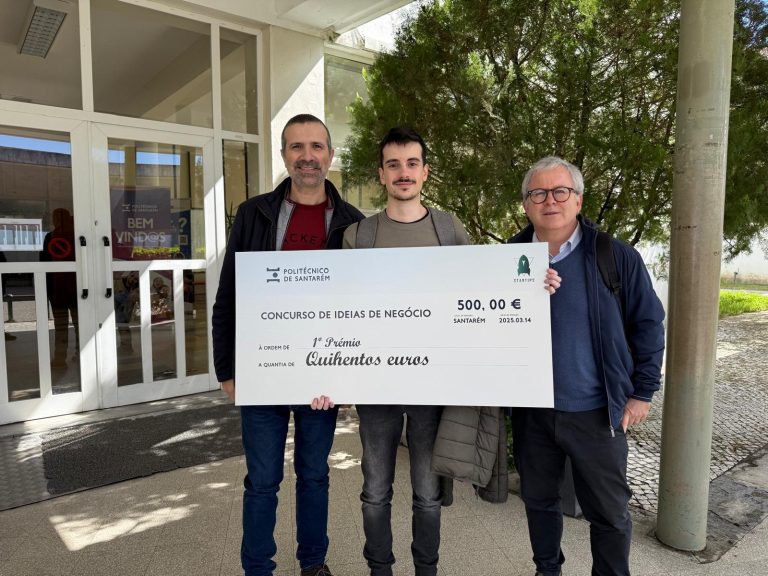
Politécnico de Santarém’s Digital Literacy and Social Inclusion Hub Receives Prestigious Awards

On April 9, 2024, the Instituto Politécnico de Santarém, through its Digital Literacy and Social Inclusion Hub (PLDIS_CIAC), was recognized with two significant awards for its impactful initiatives in the field of digital literacy and social inclusion. The first award, which the Hub received as a partner, was the 1st Award for the project Entrepreneurial Women in ICT – Enhancing Skills to Bridge the Digital Divide. This recognition highlights the Hub’s contributions to empowering women in the field of Information and Communication Technology (ICT), aiming to reduce the digital divide by improving access to digital skills and opportunities. Additionally, the Hub received an Honorable Mention as the leader of the project FrontWinners – (Re)Skilling for Mentors with Immersive Experiences. This project focuses on the innovative approach of using immersive technologies to enhance mentorship skills and reskill individuals, preparing them to effectively support others in the rapidly evolving digital landscape. These awards reflect the ongoing commitment of the Instituto Politécnico de Santarém and its Digital Literacy and Social Inclusion Hub to driving positive social impact through education,

Continuar a ler →

Webinar on 2024 Doctoral Scholarship Program in Non-Academic Environments

On April 4, 2024, Francisco Santos, Vice-President of the Foundation for Science and Technology (FCT), hosted a webinar focusing on the 2024 Doctoral Scholarship Program in Non-Academic Environments. The event provided attendees with in-depth insights into scholarship opportunities aimed at supporting doctoral research in settings beyond academia. During the session, Francisco Santos emphasized the program’s importance in fostering collaboration between academic research and real-world applications. He outlined key details about the application process, eligibility criteria, and the significant role these scholarships play in equipping researchers with skills relevant to industry and societal needs. This initiative reflects FCT’s ongoing commitment to promoting innovation and practical problem-solving by encouraging doctoral candidates to engage with non-academic organizations. It aims to bridge the gap between research and broader societal challenges, ensuring a lasting impact on the community and industry. Álbum photo Recording

Continuar a ler →

Professor Filipe Madeira Wins Prestigious Grant from National Network for Advanced Computing

Professor Filipe Madeira has been awarded a distinguished grant from the National Network for Advanced Computing (RNCA), marking a significant achievement in the realm of digital transformation and innovation. This accomplishment highlights his dedication to advancing technological excellence and fostering impactful changes within communities. The RNCA, a collaborative platform in Portugal, integrates state-of-the-art computing infrastructures, skilled human resources, and strategic partnerships. Its mission is to provide advanced computing services that propel research, technology, and innovation, ultimately contributing to the nation’s scientific and economic development. Through this grant, Professor Madeira will spearhead initiatives aimed at utilizing advanced computing to promote digital literacy and social inclusion. His work aligns seamlessly with the RNCA’s goals, emphasizing the transformative role of technology in empowering individuals and driving progress. This recognition stands as a testament to Professor Madeira’s vision and leadership, reaffirming his commitment to creating a more digitally inclusive society.

Continuar a ler →

Digital Literacy and Social Inclusion Hub Signs Four International Cooperation Protocols

On December 12, 2023, the Digital Literacy and Social Inclusion Hub took a significant step toward strengthening its global presence by signing four international cooperation protocols. The agreements were formalized by the Hub’s Coordinator, Maria Potes Barbas, in collaboration with prominent academic and research institutions. The signatories include three Higher Education Institutions—Constantin Brâncuşi University (Romania), Goce Delčev University (North Macedonia), and the Latvian Academy of Culture (Latvia)—as well as the Institute for Quality of Life Research Center in Romania. These partnerships aim to deepen international collaboration and amplify the Hub’s contribution to advancing digital literacy and social inclusion worldwide. By connecting with leading institutions and research centers, the Digital Literacy and Social Inclusion Hub continues to expand its international footprint and foster meaningful impacts in education, research, and community development. This milestone reflects the Hub’s ongoing commitment to promoting global cooperation in addressing the challenges and opportunities of the digital age.

Continuar a ler →

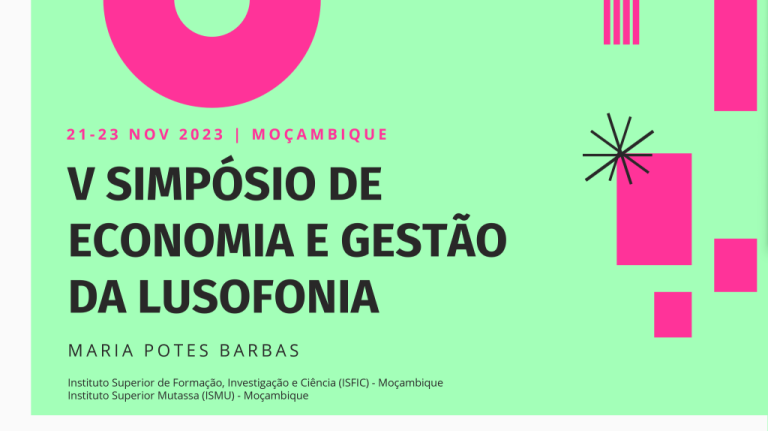
Maria Potes Barbas Represents Digital Literacy Hub at 5th Lusophone Economics and Management Symposium

Maria Potes Barbas, Coordinator of the Digital Literacy and Social Inclusion Hub, participated in the 5th Lusophone Economics and Management Symposium held in Maputo, Mozambique, from November 21 to 23, 2023. During the event, Professor Potes Barbas showcased the work of the Digital Literacy and Social Inclusion Hub, highlighting its extensive activities and innovative initiatives. Her presentation underscored the growing international impact of the Hub, which continues to make significant contributions to advancing digital literacy and promoting social inclusion in diverse contexts. The symposium brought together experts, researchers, and practitioners from Lusophone countries to discuss and share knowledge on economic and management issues. Maria Potes Barbas’s participation reflects the Hub’s commitment to fostering global partnerships and contributing to discussions of critical importance in the digital age.

Continuar a ler →

Inspiring ERA Project to Host Two Online Events on Action 4 of the ERA Policy Agenda

The Inspiring ERA project, in cooperation with the European Commission, is organizing two online events focused on Action 4 of the ERA (European Research Area) Policy Agenda. These events aim to engage a wide range of research and innovation stakeholders across Europe, promoting collaboration and the use of new tools and instruments to enhance research careers and practices. The first event will take place on November 13, 2023, from 09:30 to 12:30. It will serve as a platform to showcase the deliverables of Action 4, including the exchange of best practices on utilizing newly introduced instruments. This session is aimed at R&I stakeholders across Europe, offering valuable insights into the ongoing developments within the ERA Policy Agenda. The second online event is scheduled for December 4, 2023, from 10:00 to 12:00. This session will be specifically targeted at researchers, with a focus on early-career professionals. It will raise awareness about the various instruments designed to support research careers and demonstrate how early-career researchers can benefit from these opportunities. These events highlight the Inspiring ERA project’s commitment to fostering innovation, enhancing career development for researchers, and promoting the tools that enable sustainable growth and collaboration across European research initiatives.

Continuar a ler →

Maria Potes Barbas Elected Coordinator of the Digital Literacy and Social Inclusion Hub

On July 5, 2023, at 9:30 a.m., the results of the election for the Coordinator of the Digital Literacy and Social Inclusion Hub for the 2023-2026 term were verified. The procedure was conducted through a Google Forms platform, which had been previously provided to the voting members. The verification session was overseen by the Jury President, Professor Filipe Madeira, and the secretary, Renata Pintor. The process confirmed the fairness and normality of the election, which concluded without any incidents. Maria Potes Barbas was elected as the new Coordinator of the Digital Literacy and Social Inclusion Hub for the 2023-2026 term, marking a significant milestone in this democratic process. Her leadership is expected to play a key role in advancing the hub’s mission and objectives.

Continuar a ler →

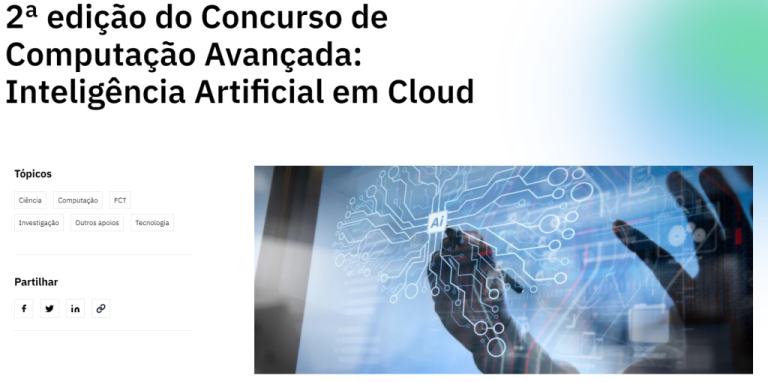
2nd edition of the Advanced Computing Competition: Artificial Intelligence in the Cloud

Program: Foundation for Science and Technology and Google This Call for Proposals will provide 1 million US dollars in credits on the Google Cloud platform to research, innovation or development projects and is part of the collaboration agreement between FCT and Google, which aims to support research projects in the field of Artificial Intelligence in Portugal. The support translates into the provision of credits in Artificial Intelligence (AI) services on the Google Cloud platform and makes it possible to complement the existing support provided by FCT through RNCA – Rede Nacional de Computação Avançada (National Network for Advanced Computing).

Continuar a ler →

National Agency launches new initiative to train youth workers

If the pandemic has taken away the possibility of getting together physically to share and learn, build and redefine futures, technology offers us opportunities to do so with the hope of continuing to turn difficulties into opportunities. It is in this context that, on the sofa or in any other space, the Erasmus+ Youth in Action Agency is challenging us to uninstall ourselves and look for new approaches to relevant issues in our daily lives. Thus was born this new concept – SOFA – which in October will have 4 sessions: Every Wednesday, always at the same time – 17h00 – 19h00 (Lisbon time) – all those registered for each of the sessions will have the opportunity to work on the theme with experienced facilitators and current and interesting topics.

Continuar a ler →

Suppliers Club Initiative

As part of the Supplier Club initiative, notice 03/SI/2020 is open for the submission of applications for co-promoted R&D projects, aimed at supplier companies and non-business entities in the R&I system that are part of the Supplier Clubs: Volkswagen Autoeuropa and Peugeot Citroen Portugal, with a view to supporting investments aligned with the global strategy of the respective Core Companies.

Continuar a ler →